Industry Intelligence Report

Artificial Intelligence
in Fashion:
A Comprehensive
Industry Analysis

How fashion's leading companies are deploying AI across design, marketing, supply chain, e-commerce, sustainability, and new business models with data, case studies, and strategic outlook.

March 2026
McKinsey & Company · Business of Fashion · Company Annual Reports
Zara · H&M · Nike · PUMA · Zalando · Burberry · Gucci · Adidas
30 minutes
Generated by AI · Content organization and curation by Ana Carolina · Head of Product & Design at Resleeve · Masters in Fashion

Table of Contents

Generative AI & the Fashion Visual Revolution

Generative AI is transforming the fashion industry's most expensive and time-consuming processes: design visualization, campaign photography, and digital sampling. Where brands once needed weeks, physical samples, and studio budgets to produce imagery, they can now generate photorealistic visuals in minutes at a fraction of the cost.

According to McKinsey analysis, generative AI alone could add $150 billion to $275 billion to the operating profits of apparel, fashion, and luxury companies within the next three to five years with design, marketing, and product visualization among the highest-value applications.[1]

$275B
Max potential operating profit addition from generative AI to apparel & luxury sectors (3–5 year horizon)[1]
McKinsey & Company, "Generative AI: Unlocking the Future of Fashion," March 2023
50%
Potential reduction in time to market from AI-powered end-to-end design and visualization[2]
McKinsey & Company, State of Fashion Technology Report 2022
70%
Reduction in product photography costs reported by brands using AI-generated imagery instead of traditional studio shoots[2]
Business of Fashion / McKinsey, State of Fashion Technology Report 2022
92M tons
Textile waste generated by the fashion industry annually AI-driven digital sampling and demand forecasting directly reduces overproduction at the source[34]
Global Fashion Agenda / UNEP, 2023

Key Finding

"In the next three to five years, generative AI could add $150 billion, conservatively, and up to $275 billion to the apparel, fashion, and luxury sectors' operating profits."[1] McKinsey & Company, March 2023

The Scale of AI Adoption in Fashion

The fashion industry's relationship with technology is accelerating. Fashion technology investment is expected to nearly double as a share of revenue by 2030, with AI and advanced analytics leading the charge.[2] The most ambitious use cases span the entire value chain from first sketch to final delivery.

Investment Trend

Fashion Industry Tech Investment as % of Revenue (2021→2030E)

Source: McKinsey & Company, State of Fashion Technology Report 2022

Potential Impact

AI-Enabled Performance Improvements Across the Value Chain

Source: McKinsey & Company, State of Fashion Technology Report 2022

AI Content Generation Adoption in Fashion

Percentage of Fashion Brands Using AI for Image, Video & Trend Report Generation (2022→2026E)

Sources: McKinsey & Company 2023[1]; Business of Fashion 2025; SG Analytics 2025[58]; NCSU/FTBEC 2024[59]; Botika Industry Review 2025[60]

Adoption Insight: AI Image, Video & Trend Generation — Small Brands vs. Large Corporations

AI-generated fashion photography is a $2B market in 2025, projected to reach $6.1B by 2029 (CAGR 32.1%).[62] Yet adoption looks radically different by company size. Large brands like Zalando use AI for 90% of marketing content[49], H&M created digital twins of 30 models[63], and Zara uses AI to generate imagery of real models in different outfits.[51] But McKinsey reports that ~90% of enterprise AI projects stall at the pilot phase — held back by legacy systems and compliance review.[64]

Independent designers tell a different story. Using tools from $8–50/month, solo creators generate lookbooks, campaign imagery, and product visuals that once required $2,000–$15,000 photoshoots — achieving 87% cost reduction while increasing content volume by 4x (BCG).[65] Design-to-market cycles shrink from 6 months to 6 weeks. AI video remains nascent across both segments — brands like Valentino are experimenting, but no widespread adoption data exists yet. For trend forecasting, tools like Heuritech (used by Louis Vuitton, Dior) and WGSN's TrendCurve AI claim 90%+ accuracy, serving over 6,500 brands.[66]

AI Content Generation: Who Adopts Faster?

Large Brands — Scale, but slow
• Zalando: 90% AI marketing content
• H&M: 30 AI digital model twins
• 35% of executives use AI for image creation (McKinsey)
• 92% plan to increase AI investment, but only 1% report mature deployment
Indie Brands — Agile, but constrained
• AI tools from $8/month vs. $2K–$15K photoshoots
• 87% cost reduction, 4x content volume (BCG)
• Design-to-market: 6 months → 6 weeks
• 52% cite lack of AI skills as bottleneck (Deloitte)

Three Key AI Themes Shaping the Fashion Industry

01

Design Augmentation & Digital Sampling

Generative AI converts sketches and mood boards into high-fidelity design variations in minutes. Digital sampling cuts the physical prototype cycle from months to days, reducing per-sample costs by up to 70% and overproduction risk at its source.[1][2]

02

AI-Powered Campaign & E-Commerce Imagery

Photorealistic AI-generated models eliminate studio fees running €10,000–€50,000 per day. Brands like Zalando report 90% cost reductions in content production[49]; Zara cut imagery production time from 11 days to under 48 hours.[51]

03

Demand Intelligence & Supply Chain Optimization

AI demand forecasting reduces overstock by 20–50%[35], while virtual try-on lifts conversion rates by up to 40% and cuts returns by 38%. Pre-sell models enabled by digital sampling allow production to begin only after demand is confirmed.

"More than 60 percent of fashion executives believe creating integrated digital processes throughout their organizations will be among their top five areas for digitization as they look to 2025."[2]

McKinsey & Company / Business of Fashion, State of Fashion Technology Report 2022

AI in Design: Augmenting Human Creativity

Generative AI is transforming the creative process in fashion not by replacing designers, but by dramatically expanding the range of ideas they can explore, accelerating iteration, and making sampling more efficient.[1] The shift is from designing with mood boards to co-creating with algorithms.
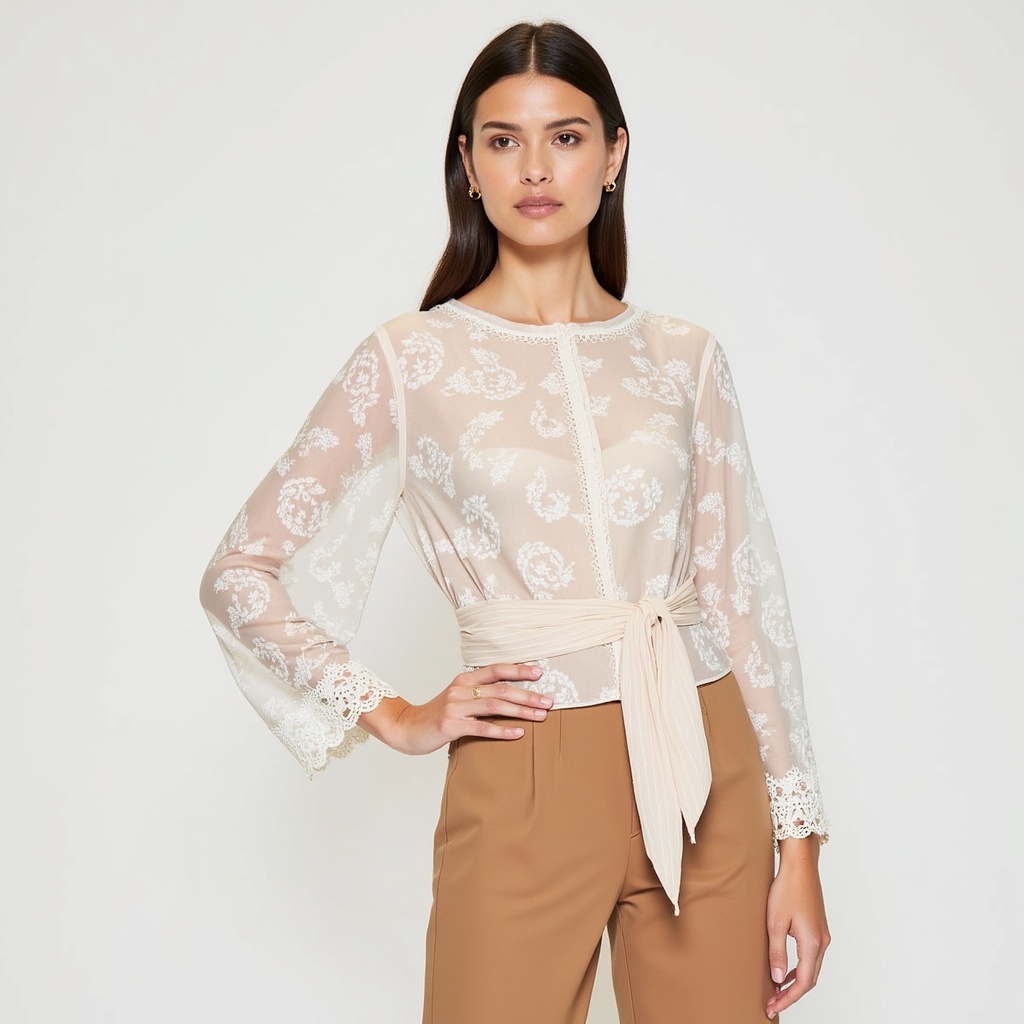
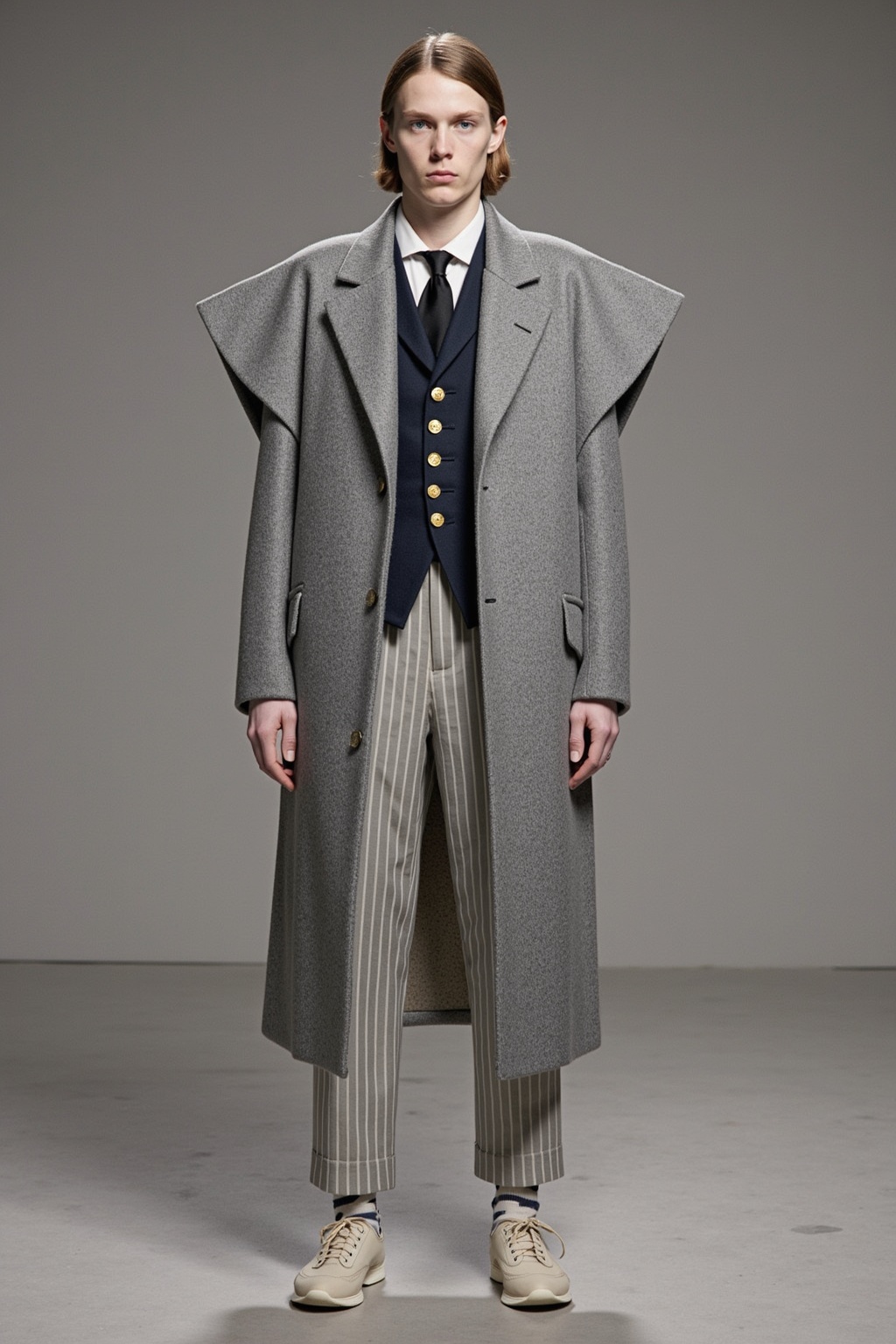
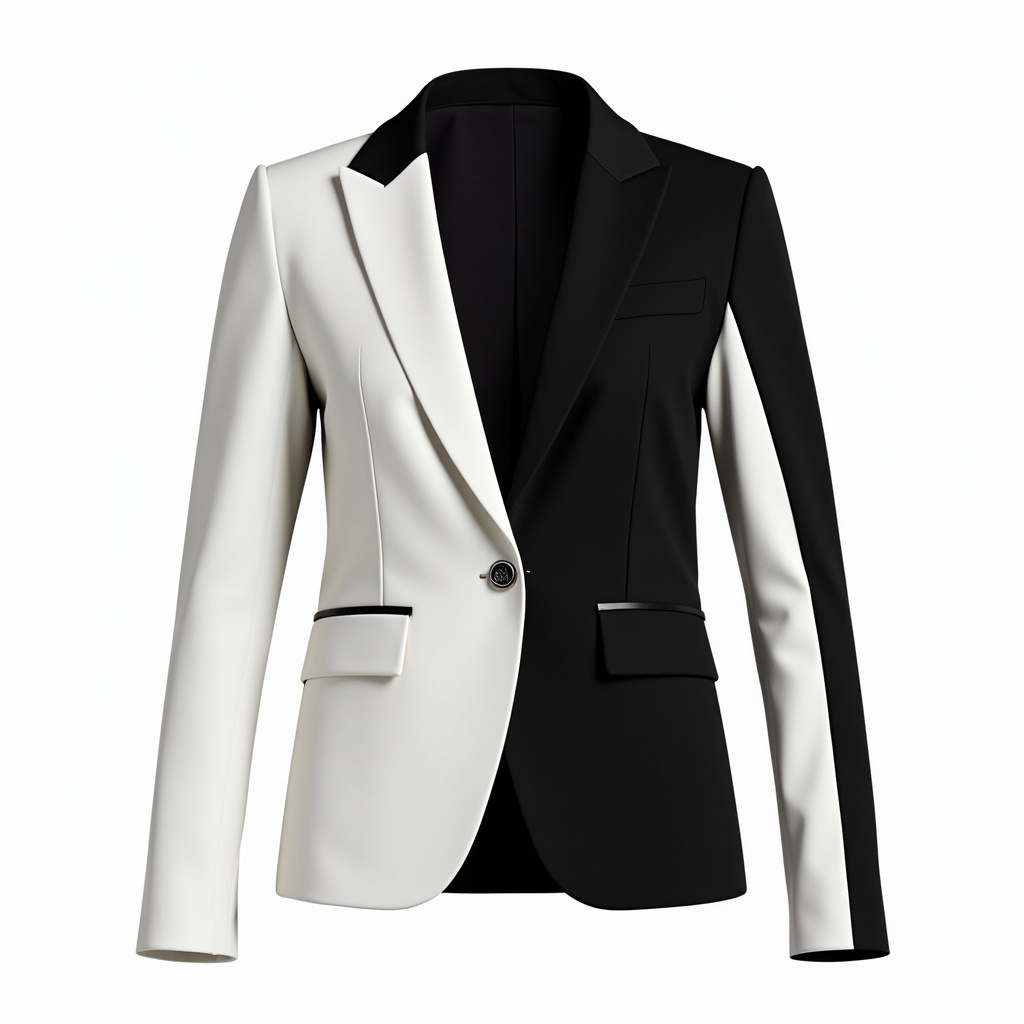
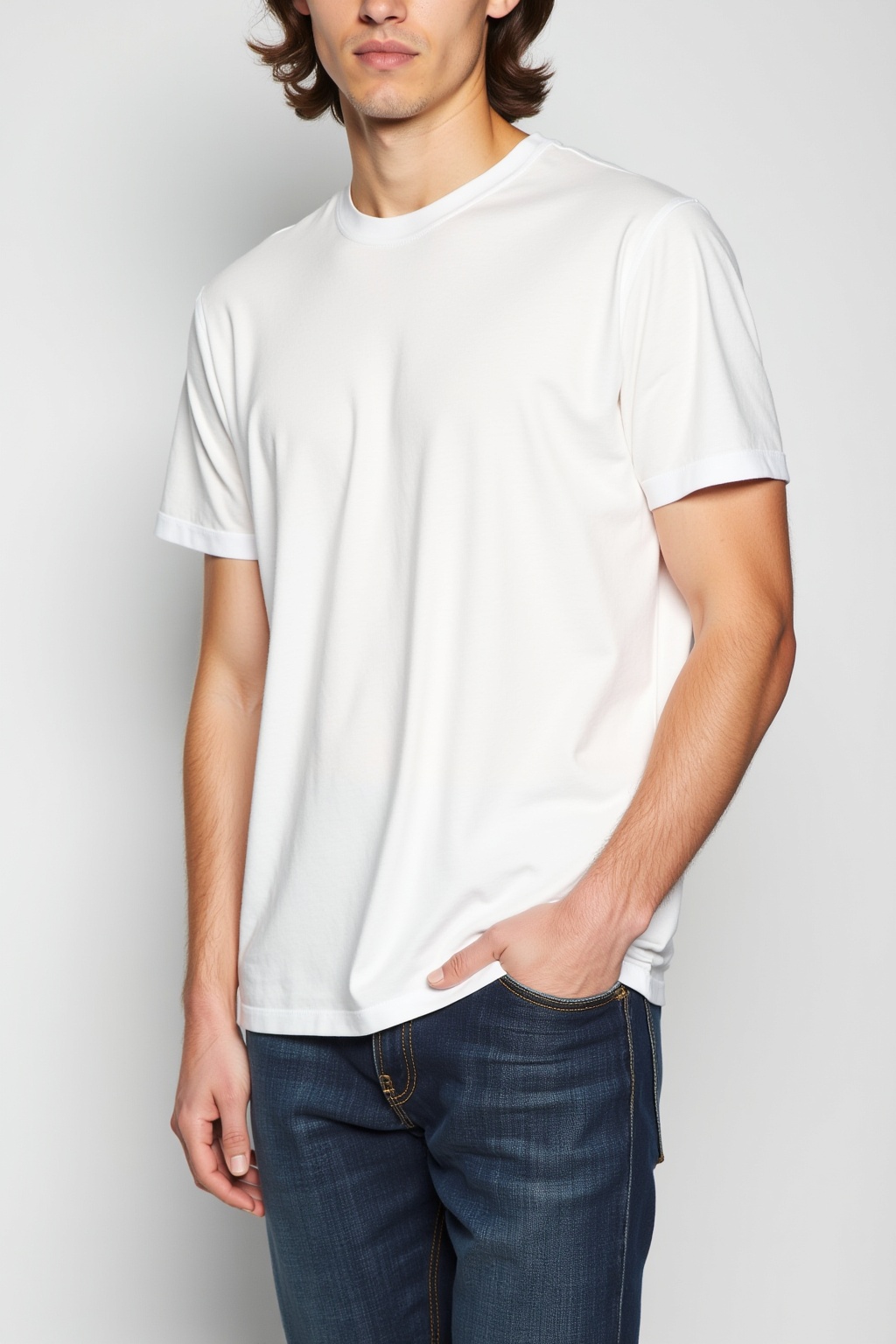
AI Design Generation

Foundation models and generative AI can convert sketches, mood boards, and descriptions into high-fidelity designs, including 3D models of garments, footwear, and accessories.[1] Designers can input desired parameters fabrics, color palettes, silhouettes and receive an array of design variations instantly.

✏️
Input
Sketch / Mood Board
🤖
AI Processing
Generative AI Engine
🎨
Output
Design Variations
🤖
AI Processing
3D Prototyping
👗
Output
Digital Sample
🏭
Production
Physical Manufacturing

"Creative directors and their teams could input sketches and desired details such as fabrics, color palettes, and patterns into a platform powered by generative AI that automatically creates an array of designs, thus allowing designers to play with an enormous variety of styles and looks."[1]

McKinsey & Company, "Generative AI: Unlocking the Future of Fashion," March 2023

Trend Forecasting

Traditional trend forecasting relied on industry gatekeepers, trade shows, and long runway cycles. AI systems now process millions of social media posts, search queries, purchase data, and influencer signals in real time to identify emerging trends weeks or months before they peak.

WGSN / Trendalytics
Trend Intelligence Platforms

WGSN uses machine learning to analyze social data, search trends, and sales signals across global markets. Their AI forecasting tools are used by hundreds of fashion brands to reduce trend-miss risk. Trendalytics provides real-time demand signals from over 500 million product data points.

Capability Identifies emerging trends 12–18 months in advance with significantly higher accuracy than traditional methods
Zara (Inditex)
Rapid Response Design

Zara's design process is built around a closed-loop system where in-store and online data flows directly back to designers in real time. Store managers report customer feedback daily; AI systems aggregate this data to identify what styles, fits, and colors to develop next collapsing the typical 6-month design-to-shelf cycle to as little as 2–3 weeks for replenishment items.[5]

2–3 weeks Design-to-shelf time for responsive replenishment collections, vs. industry average of 6+ months
Tommy Hilfiger / PVH
AI-Assisted Trend & Design Ideation

In partnership with IBM and the Fashion Institute of Technology (FIT), Tommy Hilfiger deployed AI to analyze data from global fashion weeks, past collection performance, and trend signals to generate design element suggestions.[31] The system helps creative teams explore a wider range of directions faster, compressing the ideation phase while keeping human designers in control of final decisions.

IBM + FIT Collaboration AI-driven trend analysis across global runway data to accelerate design ideation and reduce guesswork in collection planning
How Resleeve Addresses This

Generate Trend Insights to Guide Your Next Line

Resleeve's Research Agent gives fashion design teams instant, AI-curated trend intelligence directly inside their design workflow. Instead of spending days trawling social platforms, trade shows, and industry reports, teams can prompt the AI to surface emerging trends, color directions, and silhouette movements in seconds, then move straight into designing from the same platform.

Trend Research Create Moodboard Market Analysis Color Direction Competitor Tracking
30–40% less time on trend research tasks with AI (McKinsey GI, 2023)[56]
Real-time trend signal analysis
One platform from insight to finished design

Rapid Prototyping & Digital Sampling

AI-powered 3D design and digital sampling is dramatically reducing the cost and time associated with physical samples. Brands typically produce 8–12 physical samples per style before finalizing a collection. Digital prototyping can eliminate or drastically reduce this number presenting buyers with photorealistic renders instead of costly physical garments.

50%
Potential reduction in time to market from AI-powered end-to-end design and manufacturing processes[2]
McKinsey & Company, State of Fashion Technology Report 2022
20%
Potential decline in manufacturing costs from end-to-end digitally-enabled value chain solutions[2]
McKinsey & Company, State of Fashion Technology Report 2022
8%
Rise in full-price sell-through from AI-driven demand-aligned production[2]
McKinsey & Company, State of Fashion Technology Report 2022
How Resleeve Addresses This

Compress Your Entire Design Pipeline with AI

Resleeve is purpose-built for fashion design teams facing the exact challenges described in this section. Rather than waiting weeks for physical samples or outsourcing to multiple vendors, Resleeve compresses research, moodboarding, CAD rendering, and photoshoot creation into a single integrated platform enabling designers to go from brief to high-fidelity visual in minutes.
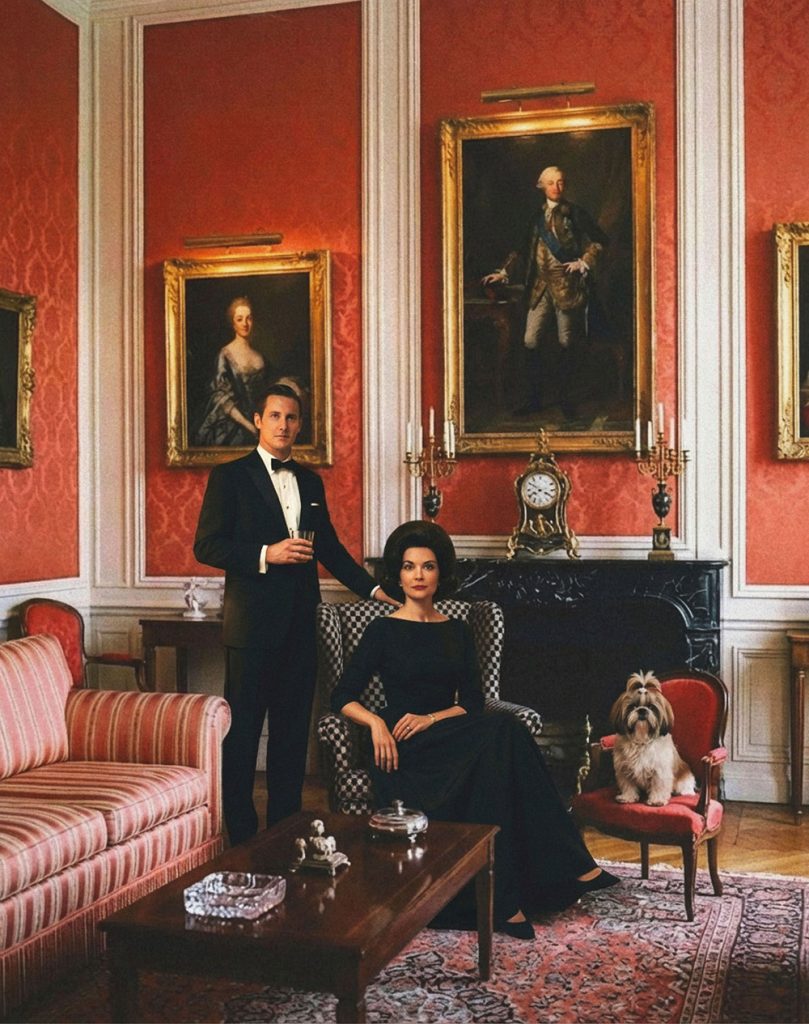
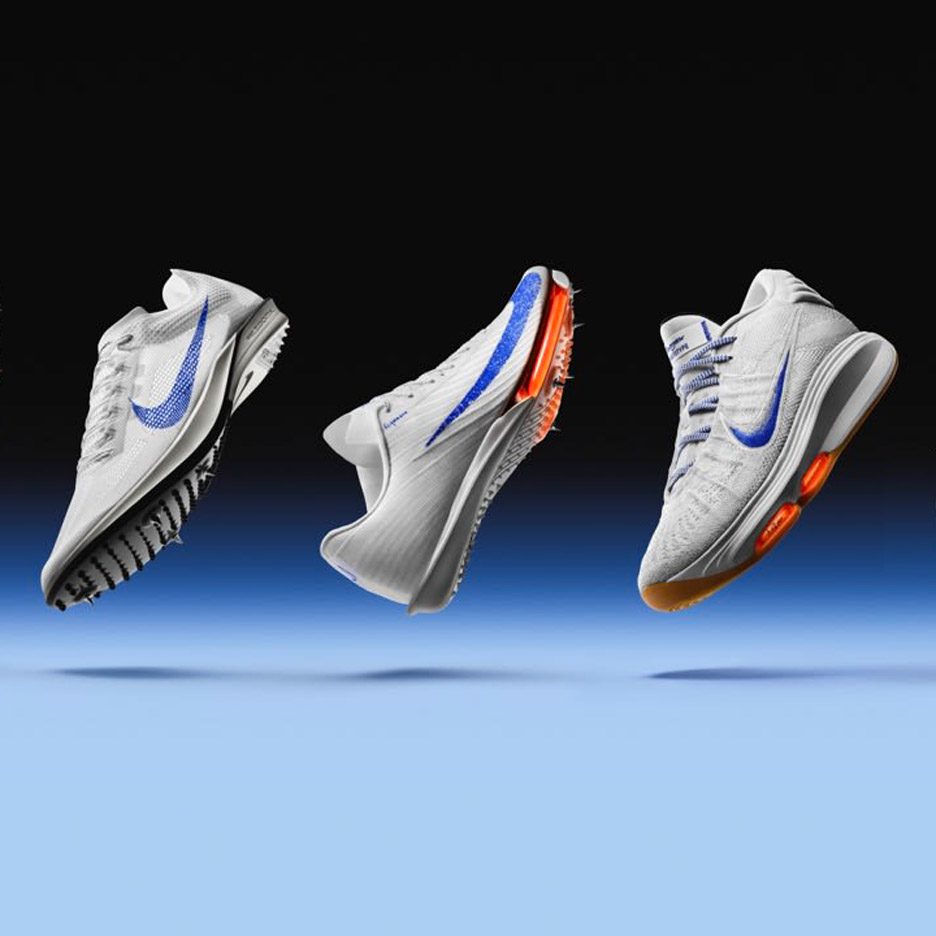
Trend Research Create Moodboard CAD to Render Create Variations Apply Fabric Technical Flat Show Different Angles
30–40% reduction in research time with AI-assisted analysis (McKinsey GI, 2023)[56]
50% faster design iteration cycles using AI visualization (McKinsey, 2022)[2]
Up to 50% fewer physical samples needed with digital prototyping (PTC/Centric, 2023)[55]
10× faster design review cycles with digital-first workflows (BoF, 2023)[3]

AI-Powered Marketing: From Campaigns to Content at Scale

Marketing is one of the most immediately accessible domains for generative AI in fashion. From campaign ideation to personalized email copy, from virtual model creation to social media content, AI is compressing timelines and unlocking creative possibilities that were previously cost-prohibitive.

AI-Generated Campaign Content

Fashion brands are using generative AI to brainstorm campaign strategies, produce creative content variations, and deploy virtual avatars across marketing channels at speed. The ability to generate dozens of creative options from a single prompt and test them simultaneously is transforming campaign development cycles.

H&M
AI Virtual Models

H&M partnered with digital human technology platforms to use AI-generated models in product photography and marketing materials.[47] This allowed the brand to create diverse model representations across all global markets without the logistics and cost of coordinating physical photoshoots for every market variation.

Cost Efficiency AI-generated models eliminate travel, production, and reshooting costs associated with global market localization of campaigns
Gucci
AI-Generated Campaign Imagery

For its F/W 2025 collection, Gucci integrated generative AI directly into campaign production, producing editorial-quality visuals that blend high-fashion aesthetics with algorithmically-crafted environments and compositions.[20] The result: campaign imagery at a pace and creative scale that traditional photoshoots cannot match.

Up to 20% forecast accuracy gain AI integration across campaign and inventory planning, with AI-generated imagery deployed in the F/W 2025 campaign launch
Burberry
Social AI & Digital Campaigns

Burberry has been a consistent early adopter of digital marketing technology.[22] The brand uses AI-powered social listening tools to monitor brand sentiment across platforms, optimize campaign timing, and personalize content for different consumer segments. Burberry also uses AI for real-time ad targeting optimization across paid channels.

Real-Time Optimization AI-powered dynamic creative optimization and social listening for campaign performance

AI Campaign Production Workflow

📊
Data Layer
Customer Profiles & Purchase History
🤖
AI Segmentation
Audience Clustering & Intent Scoring
✍️
AI Generation
Personalized Content Creation
📱
Deployment
Omnichannel Delivery
📈
AI Optimization
Real-Time Performance Learning
How Resleeve Addresses This

Expand Campaign Imagery with AI

Resleeve's "Render to Photoshoot" capability extends what's possible for campaign production not by eliminating creative professionals, but by removing the logistical friction that slows them down. Teams can produce additional on-brand visuals for digital channels, test creative directions before committing to a full shoot, and scale content output for global markets all from existing assets, in minutes rather than weeks.

Render to Photoshoot AI Fashion Models Scene Generation Multiple Looks & Styles Editorial Quality
€10K+ average industry cost per fashion photoshoot day (WWD / BoF, 2023)
Up to 12% higher conversion with enhanced product imagery (Baymard Institute, 2023)[48]

AI-Generated Models & Studio-Free Imagery

The fashion photoshoot is being redefined. Photorealistic AI-generated models produced in any size, skin tone, and age eliminate studio fees, booking costs, and scheduling constraints. Fashion photoshoots typically run €10,000–€50,000 per day; AI imagery cuts that overhead almost to zero.

Zalando
90%
cost reduction in content production. 70% of Q4 2024 editorial assets AI-generated via ORENDT STUDIOS "digital twin" models.[49][50]
6–8 weeks → 3–4 days · Zalando Corporate / BoF, 2024
H&M
30 models
AI digital twins of real, consenting models launched July 2025 showcased against global fashion-capital backdrops in a denim campaign.[47]
Framed as creative expansion, not replacement · H&M Group, 2025
Zara
+18% CTR
click-through rate uplift after deploying AI to digitally place garments on existing model images with 35% lower shoot costs.[51]
11 days → 48 hrs production · BoF / American Bazaar, 2025

What is a Digital Twin Model?

A digital twin model is a photorealistic AI replica of a real, consenting human model trained on high-resolution scans and photography to capture accurate likeness, skin texture, movement, and proportion. Brands license these digital counterparts to generate unlimited campaign imagery across contexts, markets, and seasons without additional shoots. Unlike fully synthetic AI characters, digital twins are grounded in real people and require explicit consent and compensation agreements with the original models.

Content Automation & Social Media

For high-volume content channels like TikTok and Instagram, generative AI enables fashion brands to produce at the scale needed to compete algorithmically. AI tools can generate short-form video concepts, product descriptions at scale, influencer brief templates, and trend-aligned caption copy.

"Striking marketing gold can often be a numbers game. Consider TikTok: there's no single winning formula for going viral on the platform. Instead, the more you produce, the higher your chances are of becoming a trending topic and boosting brand awareness and sales."[1]

McKinsey & Company, "Generative AI: Unlocking the Future of Fashion," March 2023

Resleeve AI Concepts in Action

@resleeve.ai
01 / 03

AI-Powered Product Visualization: From Static Images to Video

Product imagery is the single biggest conversion lever in fashion e-commerce. AI is now enabling brands to generate photorealistic product visuals across angles, colorways, fabrics, and body types without physical photoshoots and to bring those visuals to life through AI-generated video that shows garments moving, draping, and behaving as they would on a real body.

From CAD to Product Page AI Visualization at Scale

AI transforms how product imagery is produced for e-commerce. Rather than waiting for physical samples and coordinating studio photoshoots, brands can feed a CAD file or sketch into an AI platform and receive photorealistic product imagery across multiple angles, colorways, and fabric simulations within minutes. Zara uses AI to generate e-commerce-ready lookbooks with natural poses, accurate lighting, and detailed textures. Nike uses 3D AI visualization to test campaigns digitally before physical production begins, enabling rapid iteration on limited-edition drops with zero inventory committed.

40%
Reduction in time-to-market for product imagery when AI visualization replaces traditional photoshoot workflows[2]
McKinsey & Company, State of Fashion Technology Report 2022
€10K+
Average cost of a fashion photoshoot day in studio, crew, and model fees a cost AI imagery eliminates for most product content
Business of Fashion / WWD industry analysis, 2023
Up to 12%
Higher conversion rates linked to improvements in product imagery quality insufficient visuals are a leading cause of cart abandonment[48]
Baymard Institute E-Commerce UX Research, 2023

AI Video: The Next Frontier for Product Pages

Static product images are giving way to AI-generated video as the primary medium for fashion e-commerce. Video showing a garment moving on a model communicates fabric drape, weight, and fit in ways no still image can. AI video tools can now generate short product clips directly from existing imagery or renders simulating realistic fabric movement, multiple camera angles, and lifestyle contexts without a single day of video production.

The commercial case is compelling: 82% of consumers report being convinced to purchase a product after watching a brand's video, and companies using video marketing grow revenue 49% faster than those that don't.[44] From the marketing side, 86% of marketers report that video has directly increased their conversion rates.[44] Product pages featuring video see conversion rates up to 65% higher than image-only pages (industry aggregation, 2025). AI-generated video also reduces return rates by giving buyers a more accurate expectation of how a garment will look and move. AI video generation tools can now produce fabric-accurate short clips directly from existing product images no studio, no crew, no shoot day.

Mango
AI-Generated Product Imagery Replacing Studio Photography

In 2025, Mango became one of the first major fashion retailers to roll out AI-generated product images as the primary visuals on its e-commerce site, replacing traditional studio shoots with AI-generated on-model visuals.[42][46] Consumer testing revealed that 71% of shoppers couldn't distinguish AI-generated product photos from real ones, and 60% reacted positively or neutrally when told images were AI-generated.[42] The brand already operates more than 15 AI-powered platforms across its value chain and plans to expand AI imagery to its full women's and men's collections.

71% of shoppers couldn't tell the difference AI-generated on-model product imagery live on Mango.com; expanding across all product lines (BoF / Mango Fashion Group, 2025)
Zalando
AI Editorial Imagery at Scale 90% Cost Reduction

By Q4 2024, approximately 70% of Zalando's editorial campaign assets were AI-generated, produced in partnership with ORENDT STUDIOS using photorealistic "digital twins" of real human models.[49][50] The shift compressed production timelines from 6–8 weeks to 3–4 days and reduced content creation costs by 90%.[49] Zalando can now launch responsive campaign imagery in under 24 hours when a trend emerges on social media.[50]

90% cost reduction 6–8 week production cycle compressed to 3–4 days; trend-responsive content in under 24 hours
Zara (Inditex)
AI-Generated Product Imagery 35% Shoot Cost Reduction

Zara uses generative AI to digitally place clothing items on existing model photographs, accelerating e-commerce catalog updates without additional physical photo sessions. Average production time for e-commerce product imagery dropped from 11 days to under 48 hours.[51] The result: an 18% increase in click-through rates and a 35% reduction in shoot costs while maintaining Zara's visual signature across all markets.[51]

18% higher click-through rates 11-day shoot cycle reduced to under 48 hours; 35% reduction in production costs (BoF / American Bazaar, 2025)
Hugo Boss
AI-Generated Product Content Including Video Global Rollout 2025

In January 2025, Hugo Boss launched fully AI-generated product content including still images and video across its global e-commerce platforms.[45] The initiative, led by the brand's Web3 & Immersive Experiences team, marked the first time Hugo Boss incorporated AI-generated visuals and video on garment product pages at a global scale. The rollout is designed to enhance customer experience, accelerate content production cycles, and catalyse business growth across its BOSS and HUGO lines.

Global AI content rollout First fully AI-generated product images and video across Hugo Boss global e-commerce (FashionUnited / Hugo Boss, January 2025)
H&M
AI Product Imagery & Video 45% Production Cost Reduction

H&M has integrated AI-generated content into its e-commerce product pipeline, using AI to produce campaign and product page visuals at scale.[25][36] In a 2024 Nordic pilot, AI digital twin models replaced a significant portion of physical shoot requirements for catalog imagery and product detail page content. The initiative cut production costs for those assets by 45% and contributed to a 24% increase in click-through rates while reducing the brand's physical production footprint per campaign.[25]

45% production cost reduction 24% CTR uplift in 2024 Nordic AI content pilot (H&M Group / Technology Magazine, 2024)
Boohoo Group
AI-Generated Product Content & Video at Scale via AWS

Boohoo Group (Boohoo, PrettyLittleThing, Karen Millen) partnered with AWS to embed AI across its e-commerce content pipeline, using Amazon Bedrock to automate product descriptions, translations, and visual content generation across tens of thousands of SKUs. The AI-powered system produces product page content 20x faster than manual processes. The group is now expanding AI-generated imagery and video across all brands, enabling rapid product page updates with moving visuals that reduce production timelines and shoot costs at fast-fashion volume.[57]

20x faster content production AI-generated product descriptions, imagery, and video across Boohoo, PrettyLittleThing & Karen Millen (Retail Technology Innovation Hub / AWS, 2025)

Selling Before You Manufacture

30B
pieces unsold / year
An estimated 20–30% of all fashion production goes unsold every year roughly 30 billion garments.[53] AI product visualization enables a direct solution: present buyers with photorealistic renders before a single piece is made, take pre-orders on confirmed demand, and manufacture only what sells.
The Interline, 2024
🎨
Step 01
AI Render
Photorealistic visuals generated from design files no samples, no studio
🛒
Step 02
Pre-Sell
Buyers place orders based on renders demand confirmed before production
🏭
Step 03
Manufacture to Order
Produce exactly what sold zero speculative inventory, zero overproduction
Moda Operandi
Runway Pre-Order Model
Photographs runway collections immediately after shows and opens pre-orders with a 50% customer deposit before any production begins.[52] Pre-order data directly calibrates manufacturing quantities, eliminating guesswork and markdowns.
Orders placed before production starts
Adidas
3D Digital Sell-In
Since 2010, wholesale buyers place full production orders from photorealistic 3D renders no physical samples required. By 2017, Adidas was producing 50,000 digital assets per year, avoiding over 1 million physical prototypes.[53]
1M+ physical prototypes eliminated
Uniqlo
AI Demand Sensing
AI analyzes weather forecasts, social media trends, and regional sales history to predict demand per location. Production and inventory allocation are optimized before orders are placed, reducing overstock and markdowns.
AI-optimized inventory by location
The Logical Endpoint

The Inventory-Free Collection

A collection that goes to market with zero physical garments. Design teams create AI renders; buyers place orders; production begins only after demand is confirmed. Overproduction risk drops to near zero. This is no longer hypothetical it is happening at Zalando, Zara, and across the growing cohort of digitally native brands.

50–80% fewer physical samples with digital-first prototyping (PTC/Centric, 2024)[55]
30–50% reduction in total production waste via made-to-order models (3DLook.ai, 2024)[54]
How Resleeve Addresses This

From CAD to Product Page Images and Video Without a Studio

Resleeve enables fashion brands to generate photorealistic product visuals and video from design files, in any colorway, angle, or fabric option, without physical samples or studio production. Product teams can present full collections to buyers using AI-generated imagery, take pre-orders on confirmed demand, and produce only what sells compressing the entire visualization and selling workflow into a single platform.

Render to Photoshoot Create Videos Explore Colorways Show Different Angles Apply Fabric Change Color
€10K+ average fashion photoshoot day cost eliminated by AI imagery (WWD/BoF, 2023)
Up to 12% higher conversion with improved product imagery quality (Baymard Institute, 2023)[48]
Images + Video for product pages and campaigns

Digital Sampling: Fewer Physical Samples, Less Waste

Fashion's most damaging sustainability problem is overproduction the industry produces an estimated 100 billion garments per year, with roughly 30% never sold.[41] AI-powered design visualization directly attacks this at the source: by replacing physical samples with digital renders, brands reduce material consumption, water use, and waste before a single garment is produced.

~30%
Share of fashion garments never sold AI design visualization reduces overproduction by improving upstream decision quality[41]
McKinsey & Company / Business of Fashion, The State of Fashion 2024, November 2023
8–12×
Physical samples produced per style in traditional design AI visualization can eliminate most of these before any material is cut[2]
McKinsey & Company / Business of Fashion, State of Fashion Technology Report 2022

The Physical Sampling Problem

Traditional fashion brands produce 8–12 physical samples per style before finalizing production. Each sample consumes materials, water, chemicals, and manufacturing capacity only to be discarded after approval. AI design visualization eliminates most of this waste by enabling buyers and creative directors to approve designs from photorealistic digital renders.

Zara (Inditex)
Design-Led Waste Reduction

Inditex's rapid-response model with a 2–3 week design-to-shelf cycle is only possible because design decisions are made quickly and confidently.[5] AI-powered design visualization tools that accelerate the approval process are central to this speed. Inditex has set a Net Zero target for 2040, and reducing physical sampling is a key lever.

~3% Unsold Inventory vs. industry average of 15–20% enabled by better design decisions upstream
Levi Strauss (Project F.L.X.)
AI-Driven Finish Visualization

Levi's AI-powered laser finishing system allows any finish effect to be specified and previewed digitally before production.[8] This eliminates the need to produce physical test samples for each new wash or finish variation a direct waste reduction at the design visualization stage that also cut chemical formulations from 3,000+ to fewer than 30.

42L less water per pair of jeans from AI-guided finishing enabled by digital visualization before production

Fashion's Environmental Footprint

The fashion industry's environmental impact extends well beyond unsold garments. It is one of the most resource-intensive industries on the planet and AI is emerging as a critical tool to reduce its footprint across the full value chain.

10%
Fashion's share of global annual CO₂ emissions, more than international aviation and shipping combined[32]
United Nations Environment Programme (UNEP), 2019
93B m³
Water consumed by the fashion industry each year enough to meet the needs of 5 million people[32]
UNEP, 2019
20%
Share of global industrial water pollution attributed to textile dyeing and treatment[38]
UNEP / World Bank, 2019
500K tons
Microplastics released into the ocean from synthetic textiles per year equivalent to 50 billion plastic bottles[33]
Ellen MacArthur Foundation, 2017

How AI Reduces Overproduction & Emissions

Overproduction is fashion's core sustainability problem. AI addresses it at every stage: by improving demand forecasting accuracy, reducing the physical sampling cycle, and enabling brands to make better design and production decisions before committing materials.

H&M Group
AI Demand Forecasting & Digital Twins

H&M deploys neural networks trained on over 10 years of item-level sales data combined with external signals including weather and social trends. AI demand planning has materially reduced write-down inventory.[19] In 2024, AI digital twin models for campaign production cut physical production requirements by 45%, directly reducing material consumption and carbon output per campaign.[25][36]

45% reduction in campaign production costs and associated physical material use via AI digital twin models (2024 pilot)
Adidas
AI Materials & Circular Design

Adidas has committed to using only recycled polyester in all products where a solution exists. AI assists in materials selection, helping designers identify sustainable alternatives earlier in the design process.[37] The brand also uses AI for production planning to reduce overruns, and its Futurecraft Loop program uses AI to optimize fully recyclable shoe construction.[37]

96M plastic bottles recycled into Adidas products in 2021 alone through AI-assisted materials sourcing and design
Shein
Micro-Batch AI Production

While Shein's volume model draws sustainability scrutiny, its AI-powered micro-batch production system is structurally designed to minimize overproduction.[24] Items launch in test batches of 100–200 units; AI scales only what sells. Unsold inventory rates are significantly below the fast-fashion industry average of 30–40%, making it a case study in AI-driven demand-matching at scale.

<10% estimated unsold inventory rate vs. 30–40% fast-fashion industry average, enabled by real-time AI demand sensing

AI's Projected Sustainability Impact

McKinsey analysis estimates that AI-powered demand forecasting and inventory optimization could reduce fashion overproduction by 20–30% industry-wide.[35] Applied to the 100 billion garments produced annually, that represents 20–30 billion fewer garments a direct reduction in water, chemical, and carbon impact at the production source.

How Resleeve Addresses This

Digital-First Design Means Fewer Physical Samples and Less Waste

Every physical sample that isn't made is a sustainability win. Resleeve's AI visualization platform enables fashion brands to compress the sampling process presenting photorealistic product renders, colorway explorations, and campaign-quality imagery to buyers and internal stakeholders without producing physical garments. This digital-first approach directly reduces water consumption, chemical use, and textile waste in the design phase.

CAD to Render Explore Colorways Create Moodboard Render to Photoshoot
Up to 50% fewer physical samples with digital-first prototyping (PTC/Centric, 2023)[55]
€10K+ average photoshoot day cost eliminated by AI imagery (WWD/BoF, 2023)[3]
Zero physical material for digital samples

The Road Ahead: Key Trends, Patterns & Future Outlook

As AI moves from a pilot-stage experiment to a core operational capability, the fashion companies that act decisively today will build advantages that compound over the next decade. This section synthesizes the strategic patterns, adoption stages, and outlook data that define the AI landscape in fashion through 2030.

Key Strategic Trends

01

From Automation to Augmentation

The most successful AI deployments in fashion are not replacing humans they're augmenting them. McKinsey explicitly frames generative AI as "not just automation it's about augmentation and acceleration."[1] Brands that treat AI as a creative co-pilot, not a replacement, are seeing the best outcomes.

02

Verticalization of AI Capabilities

Leading companies Nike, Stitch Fix, Zalando are building proprietary AI capabilities rather than relying solely on off-the-shelf tools. This creates durable competitive moats. Nike's acquisition strategy (Celect, Zodiac, Invertex) exemplifies this approach.[9][10][11]

03

Data as the Ultimate Competitive Asset

AI is only as good as the data it's trained on. Companies with rich, longitudinal customer data Stitch Fix's style preferences[6], Nike's 160M member profiles, Zara's daily store feedback have a compounding advantage that newer entrants cannot quickly replicate.

04

AI-Enabled Sustainability Is Becoming a Necessity

With the EU's Digital Product Passport and extended producer responsibility regulations coming into force, AI-powered traceability and emissions tracking are shifting from competitive advantage to regulatory requirement by 2027–2030.

05

Generative AI Will Reshape Creative Processes

The State of Fashion 2024 identified "Generative AI's Creative Crossroads" as one of the top 10 themes shaping the industry.[3] Capturing this value requires fashion players to look beyond automation and explore gen AI's potential to enhance human creativity.

06

Workforce Transformation Is Imperative

Companies must build AI literacy across design, marketing, and operations teams, not just within technology functions. Brands that invest in training non-technical employees to work alongside AI tools unlock adoption at scale.

$275B
Top-end operating profit potential from generative AI across apparel, fashion, and luxury within 3–5 years[1]
McKinsey & Company, "Generative AI: Unlocking the Future of Fashion," 2023
+118%
Cumulative cash flow increase projected by 2030 for fashion companies that successfully embed AI across their value chain[2]
McKinsey & Company, State of Fashion Technology Report 2022
−23%
Relative cash flow decline projected for companies slower to invest in AI, as AI-native competitors compound their advantage[2]
McKinsey & Company, State of Fashion Technology Report 2022

Adoption Patterns: Where Fashion Companies Are on the AI Journey

AI Maturity Stage Characteristics Example Applications Fashion Company Examples
Stage 1: Experimenting Piloting individual AI use cases; limited scale; exploring vendors A/B testing of AI-generated content; chatbot pilots; basic recommendation widgets Most mid-market brands; regional fashion companies
Stage 2: Deploying AI running in production across specific departments; measurable ROI; scaling successful pilots Live recommendation engines; AI-driven demand forecasting; personalized email campaigns H&M, PUMA, Burberry, Uniqlo
Stage 3: Integrating AI embedded across multiple value chain steps; cross-functional AI strategy; proprietary models End-to-end demand-to-production AI; AI creative tools in design workflows; AI-powered supply chain visibility Zalando, Inditex/Zara
Stage 4: AI-Native AI at the core of the business model; proprietary data moats; AI-native product creation Algorithmic styling as product; AI-designed collections; fully AI-optimized supply chains Nike (with acquisitions), Shein

Future Outlook: 2025–2030

The next five years will see AI move from a competitive advantage to a basic operating requirement in fashion. Key developments to watch:

Future Landscape

Projected AI Capability Maturity in Fashion: 2024 vs. 2030

Source: McKinsey & Company projections; Business of Fashion analysis; Author's analysis based on published industry research

01 — Trend

Agentic AI in Fashion Operations

AI agents that autonomously manage inventory decisions, trigger purchase orders, adjust pricing, and optimize product placement with humans providing oversight rather than direct control will become standard by 2028.

02 — Trend

Real-Time Personalization at Every Touchpoint

AI-generated, individualized product pages, landing pages, and marketing materials unique to each customer will become table stakes for leading fashion e-commerce platforms.

03 — Trend

AI-Designed Collections Become Mainstream

By 2027, most major fashion brands will have AI as an integral part of their design process generating hundreds of variations for designer curation, accelerating trend response, and enabling micro-collections at speed.

04 — Trend

Digital Fashion as Significant Revenue Stream

As gaming, virtual social spaces, and digital identity become more central to consumer behavior, digital-only fashion will grow from a niche category to a material revenue line for leading brands potentially exceeding 5% of revenues per McKinsey projections.[15]

Strategic Conclusion

Fashion companies that successfully embed AI across design, supply chain, marketing, and customer experience could see a 118% cumulative increase in cash flow by 2030. Conversely, those that are slower to invest could see a 23% relative decline.[2] The window to build durable AI advantages is narrowing the time to act is now.

Work with Resleeve

Your Competitors Are Already Using AI. Let's Make Sure You're Ahead.

Resleeve Consultancy
$149 / session
1-hour 1-on-1 strategy session
1-Hour Expert Session Live strategy call with a Resleeve AI specialist tailored to your brand
Workspace Access Included Get your own Resleeve workspace with credits to test AI generation after the call
Tailored Implementation Plan After the session, we'll craft a full AI integration plan for your brand — scope, timeline, and investment, presented under a separate proposal
Secure payment via Stripe. If we can't find a slot that works for you, we'll refund in full — no questions asked.
Tell us about your brand
We'll use this to personalise your session and make every minute count.

You're booked!

Check your inbox for a confirmation and calendar invite. Your Resleeve workspace will be set up within 24 hours.

References & Sources
  1. Harreis, H., Koullias, T., Roberts, R., & Te, K. (2023, March 8). Generative AI: Unlocking the future of fashion. McKinsey & Company. mckinsey.com
  2. Balchandani, A., Berg, A., Harreis, H., Hurtado, M., Sanchez Altable, C., Roberts, R., & af Petersens, S. (2022, May 2). State of Fashion Technology Report 2022. McKinsey & Company / Business of Fashion. mckinsey.com
  3. Balchandani, A., Barrelet, D., Berg, A., D'Auria, G., Rölkens, F., & Starzynska, E. (2023, November 29). The State of Fashion 2024: Finding pockets of growth as uncertainty reigns. McKinsey & Company / Business of Fashion. mckinsey.com
  4. McKinsey & Company. (2022). The value of getting personalization right or wrong is multiplying. McKinsey Growth, Marketing & Sales Practice. mckinsey.com
  5. Inditex. (2025). Corporate Website Innovation, Sustainability & Annual Results. inditex.com
  6. Stitch Fix. (2022, July). Stitch Fix experiments with GPT-3 and DALL-E 2 for styling assistance. Company press communications. [Cited in McKinsey Generative AI in Fashion, 2023]
  7. Levi Strauss & Co. (2021). Machine Learning Bootcamp for non-technical employees. [Cited in McKinsey Generative AI in Fashion, 2023]
  8. Levi Strauss & Co. (2023). Partnership with Lalaland.ai for AI-generated model diversity on e-commerce platform. Company press release.
  9. Nike, Inc. (2019). Acquisition of Celect predictive analytics for inventory optimization. Nike Investor Relations.
  10. Nike, Inc. (2018). Acquisition of Zodiac consumer analytics and lifetime value modeling. Nike Investor Relations.
  11. Nike, Inc. (2018). Acquisition of Invertex 3D body scanning technology (Nike Fit app). Nike Investor Relations.
  12. Nike, Inc. (2021, December). Acquisition of RTFKT Studios digital fashion and NFT brand. Nike press release.
  13. AiDLab (Laboratory for Artificial Intelligence in Design, Hong Kong). (2022, December). Generative AI-supported fashion show. [Cited in McKinsey Generative AI in Fashion, 2023]
  14. Zalando SE. (2023). Fashion Assistant powered by GPT-4 / AI-personalized shopping experience. Zalando corporate communications. corporate.zalando.com
  15. McKinsey & Company. (2022). Digital fashion and virtual worlds: Revenue opportunity for fashion brands. State of Fashion Technology Report 2022 supplementary analysis. [Cited in State of Fashion Technology Report 2022]
  16. Retail News AI. (2025). UNIQLO's Digital Transformation Insights. Fast Retailing CIO on AI-driven inventory, demand prediction, and logistics improvements. retailnews.ai
  17. Klover.ai. (2024). Fast Retailing's AI Strategy: Analysis of Dominance in Apparel. AI analysis of 30M+ customer comments/year; AI-powered size recommendations; weather and social-media-driven demand prediction by location. klover.ai
  18. PUMA SE. (2022–2024). 10FOR25 Sustainability Plan AI-enabled supply chain monitoring. PUMA Annual Report & Sustainability Reports.
  19. H&M Group. (2020–2024). Looop recycling initiative; AI textile sorting; sustainability commitments. H&M Group Annual & Sustainability Reports.
  20. DigitalDefynd. (2024). 8 Ways Gucci is Using AI. digitaldefynd.com
  21. Technology Magazine. (2024). Dior uses AI & data capture to transform warehouse logistics. Partnership with Scandit and Hardis WMS achieving 85% reduction in shipping control time. technologymagazine.com
  22. Databricks. (2024). Burberry Customer Story: 40 personalized ML models and the Penguin AI consultant platform. databricks.com
  23. Fibre2Fashion. (2024). AI in luxury fashion: Louis Vuitton, Heuritech trend forecasting and AI virtual shopping assistants. fibre2fashion.com
  24. TIME. (2024). How AI Could Transform Shein. 5,000+ suppliers on AI platform; real-time micro-batch production. time.com
  25. CTO Magazine. (2024). H&M AI Playbook: Digital twin models, 24% CTR uplift, 45% production cost reduction. ctomagazine.com
  26. Dezeen / Axios. (2024). Nike A.I.R. Project: Generative AI athlete design collaboration for Paris 2024 Olympics. dezeen.com
  27. The New Stack. (2024). How Adidas drives engineering success with GenAI: GitHub Copilot pilot across 500 engineers, 91% adoption rate, 20–25% productivity gains. thenewstack.io
  28. Microsoft Source Asia. (2024). India's Myntra innovates with generative AI: MyFashionGPT, 3x purchase conversion, query abandonment from 10% to 2%. microsoft.com
  29. Cyber Elite AI. (2024). How Farfetch uses AI-optimized email: Phrasee delivers +31% trigger email open rates and +38% click-through rates. cyberelite.ai
  30. Digital Commerce 360. (2025). Ralph Lauren launches "Ask Ralph" AI shopping assistant built with Microsoft. digitalcommerce360.com
  31. DTech FIT / IBM. (2023). IBM Watson x Tommy Hilfiger: AI-assisted design using global fashion week data and collection performance analysis. dtech.fitnyc.edu
  32. United Nations Environment Programme (UNEP). (2019). UN Alliance for Sustainable Fashion. Fashion industry responsible for 10% of global CO₂ emissions, 93 billion cubic metres of water annually, 20% of industrial water pollution. unep.org
  33. Ellen MacArthur Foundation. (2017). A New Textiles Economy: Redesigning Fashion's Future. 500,000 tons of microplastics released into oceans from synthetic textiles per year. ellenmacarthurfoundation.org
  34. Global Fashion Agenda / UNEP. (2023). Fashion industry generates 92 million tons of textile waste annually. globalfashionagenda.org
  35. McKinsey & Company. (2022). AI-powered demand forecasting could reduce fashion overproduction by 20–30% industry-wide. State of Fashion Technology Report 2022. mckinsey.com
  36. Technology Magazine. (2024). H&M AI digital twin models: 45% production cost reduction and 24% CTR uplift in 2024 Nordic pilot. technologymagazine.com
  37. Adidas AG. (2021–2024). Annual Sustainability Report: 96 million recycled plastic bottles, Futurecraft Loop circular shoe program, AI materials sourcing. adidas-group.com
  38. World Bank / UNEP. (2019). Pollution in the Fashion Industry: 20% of global industrial water pollution attributed to textile dyeing and treatment. Joint environmental analysis. worldbank.org
  39. Resleeve. (2024). Platform performance data: AI-generated imagery cost savings, sell-through improvements, and digital sampling outcomes. resleeve.ai
  40. Wild Net Technologies. (2025). How the UNIQLO Marketing Strategy Drives Growth in 2025. AI-powered product intelligence, customer feedback analysis, and localized demand optimization. wildnettechnologies.com
  41. McKinsey & Company / Business of Fashion. (2023, November). The State of Fashion 2024: Finding pockets of growth as uncertainty reigns. Includes ~30% garments never sold estimate. mckinsey.com
  42. Business of Fashion. (2025). AI Models Replace Real People in Mango's Fast-Fashion Ads. Mango rolls out AI-generated on-model product imagery across e-commerce; 71% of consumers unable to distinguish AI from real photos. businessoffashion.com
  43. WWD. (2024). Etro Releases AI-Generated Advertising Campaign for Spring 2024 "Nowhere." wwd.com
  44. Wyzowl. (2024). State of Video Marketing 2024. 82% of consumers (967 surveyed) report being convinced to buy a product after watching a brand video; 86% of marketers report video has increased their conversion rates; companies using video marketing grow revenue 49% faster than non-users. wyzowl.com
  45. FashionUnited. (2025, January). Hugo Boss launches AI-powered product content. First global rollout of fully AI-generated product images and video across Hugo Boss e-commerce platforms. fashionunited.com
  46. Mango Fashion Group. (2025). Mango creates the first campaign generated by artificial intelligence for its Teen line. AI-generated product imagery replacing studio photography on Mango.com. mangofashiongroup.com
  47. H&M Group. (2025, July). "H&M Continues Its Exploration of Creativity with AI." Launch of AI "digital twins" photorealistic replicas of 30 consenting real models for global campaign imagery. hmgroup.com
  48. Baymard Institute. (2023). E-Commerce UX Research: Product Imagery Quality and Cart Abandonment. Imagery quality is among the leading drivers of cart abandonment; improvements linked to up to 12% higher conversion. baymard.com
  49. Business of Fashion. (2023). "Zalando Uses AI to Speed up Marketing Campaigns, Cut Costs." 70% of Zalando editorial assets AI-generated in Q4 2024; production costs reduced 90%; timelines compressed from 6–8 weeks to 3–4 days. businessoffashion.com
  50. Zalando Corporate. (2024). Zalando explores digital twins high-fidelity replicas of real models. ORENDT STUDIOS partnership; trend-responsive content deliverable in under 24 hours. corporate.zalando.com
  51. Business of Fashion / American Bazaar Online. (2025). "Zara Turns to AI to Generate Fashion Imagery Using Real-Life Models." 18% increase in click-through rates; 35% reduction in shoot costs; production time from 11 days to under 48 hours. businessoffashion.com
  52. Fast Company. (2015). "How Moda Operandi Is Building The Luxury Department Store Of The Future." Moda Operandi pre-order model: runway-to-order with 50% customer deposit before production. fastcompany.com
  53. Sourcing Journal. (2019). "Inside Adidas' Journey to Reducing Sample Waste With 3-D Design." Adidas avoided over 1 million physical samples since 2010 using 3D digital sell-in; 50,000 digital assets created per year by 2017. sourcingjournal.com
  54. The Interline. (2024, October 23). "Understanding Overproduction." An estimated 20–30% of fashion production approximately 30 billion pieces goes unsold annually. theinterline.com
  55. 3DLook.ai. (2024). "On-demand Fashion Industry Tech Landscape Overview in 2024." Made-to-order models can cut total production waste by 30–50%; digital-first manufacturing cuts lead times by up to 70%. 3dlook.ai
  56. PTC / Centric Software; Textile World. (2023–2024). Digital Product Creation in Fashion: Industry Benchmark Report; "Game-Changing Benefits of 3D Digital Sampling." Brands see 50–80% reduction in physical samples in the first collection using 3D digital tools. textileworld.com
  57. McKinsey Global Institute. (2023). The Economic Potential of Generative AI. AI reduces time on research-intensive knowledge work tasks by 30–40%. mckinsey.com
  58. Boohoo Group / AWS / Retail Technology Innovation Hub. (2025). Debenhams Group inks multi-year AWS deal to scale up AI tools across brands including Boohoo. Boohoo Group partners with AWS for AI-generated product descriptions, imagery, and video across Boohoo, PrettyLittleThing, and Karen Millen. Content production 20x faster. retailtechinnovationhub.com
  59. SG Analytics. (2025). The Future of AI in Fashion: Trends for 2025. AI in fashion market valued at $2.23B in 2024, projected to $60B by 2034 at 39% CAGR. 73% of fashion executives say GenAI is a major priority. sganalytics.com
  60. NCSU / FTBEC. (2024). Generative AI in 2024: Adoption Trends and Major Use Cases in the Fashion Industry. 62% of fashion executives have utilized generative AI. AI adoption rose from 20% to 44% in first half of 2025. ftbec.textiles.ncsu.edu
  61. Botika. (2025). Fashion Industry Trends 2025: Year in Review. AI-generated fashion photography market grew from $1.51B to $2.01B. botika.com
  62. Business of Fashion. (2025). How Small Brands Are Learning to Love AI. Independent designers adopting AI tools faster due to lower organizational complexity; AI subscriptions $29–100/month vs. $100,000+ traditional CAD. businessoffashion.com
  63. GlobeNewsWire / The Business Research Company. (2026). AI-Generated Fashion Photography Global Market. Market grew from $1.51B (2024) to $2.01B (2025), projected $6.12B by 2029 at 32.1% CAGR. globenewswire.com
  64. American Bazaar. (2025). Zara joins H&M, Zalando in AI fashion photographs. H&M created AI digital twins of 30 models (April 2025); Zara generates imagery of real models in different outfits. americanbazaaronline.com
  65. McKinsey & Company / BoF. (2024). The State of Fashion 2024: Generative AI. ~90% of fashion AI projects stall at pilot phase; 35% of executives use gen AI for image creation; 92% plan to increase investment but only 1% report mature deployment. mckinsey.com
  66. BCG. (2024–2025). AI Photography in Fashion. Brands adopting AI photography achieve 87% cost reduction while increasing production volume by 4x. bcg.com
  67. Heuritech / WGSN. (2025). AI Trend Forecasting in Fashion. Heuritech analyzes millions of social images daily with 90% accuracy (used by Louis Vuitton, Dior); WGSN TrendCurve AI serves 6,500+ brands with 90%+ forecasting accuracy. heuritech.com

Ask About This Report

AI-powered answers from report data

Ask me anything about AI in fashion, case studies, market data, or sustainability.

Leave a Comment

Thanks for reading! Share your thoughts, questions, or what resonated with you.